Latest Dullstroom trout fishing report · September Laverpa update
Dullstroom trout
fishing report.
Latest Laverpa conditions, flies working now, water temperature, pressure-system feeding windows and whether your Dullstroom date is worth booking. Current status: good fishing in the right windows — book your spring trip soon before water temperatures climb too high.
Updated 16 September 2026
Water temp 14–15°C
Good spring windows
Pressure systems active
Book before water warms too much
Executive Summary
September report: Dullstroom is fishing well in the right spring windows. Water temperature is now sitting around 14–15°C, which is a strong trout range before the season warms too much. The area is moving through low and high pressure systems, so timing matters: falling pressure, cloud cover, light drizzle and low light can switch trout on, while sharp post-front pressure rises can make the fishing more selective. This is a very good time to book a guided Laverpa trip before water temperatures climb too high.
Good · Book Soon
Last updated · 16 September 2026
Traffic light status
Green · Goodright windows
Yellow · Technicalpost-front days
Red · Slowhot water risk
Quick Answer
Dullstroom is fishing well in the right spring windows, and this is a good time to book before water temperatures rise too high. Laverpa water temperature is currently around 14–15°C, which gives anglers a strong opportunity before warmer weather starts pushing trout deeper or shortening the best feeding windows. Low and high pressure systems are moving through the area, so falling pressure before rain, overcast light, drizzle and manageable wind can create excellent chances. A guided day helps you be on the right bank with the right depth, leader and fly choice when those windows open.
Quick report card
Current Dullstroom trout fishing conditions.
The Dullstroom trout window is good when the weather and pressure line up. Water temperature has lifted to around 14–15°C, which is a strong spring trout range and a clear signal to book soon before the water warms too much. Laverpa is producing worthwhile fishing in the right windows, especially around low light, falling pressure, light drizzle, cloud cover and manageable wind.
Booking window
Fishing is good — book your Dullstroom trip soon.
The current water temperature at Laverpa is sitting around 14–15°C, which is exactly the kind of spring window anglers should take seriously. The fishing has been generally good during the right pressure and weather windows, but this window will not last forever. As the season warms further, water temperatures can climb too high and trout may become deeper, more selective or more sensitive during the warmer parts of the day.
Why book now
Water temperature is currently in a good range, weather is improving and trout are feeding in defined windows. Waiting too long can mean warmer water and shorter prime fishing periods.
Best windows
Falling pressure before rain, overcast light, light drizzle and manageable wind can all create stronger feeding activity.
Best style
Dry-and-dropper with a small midge or nymph 2–3 feet down is a strong starting point when trout are high or showing.
Backup tactic
If fish are not rising, work Woolly Buggers or small leech patterns along weed edges while the light is low and pressure is moving.
The window is here now — good water temperature, active pressure changes and proper reasons to get a Laverpa date booked.
Latest report · 16 September 2026
Latest Laverpa report: good fishing in the right windows.
Over the last two trips in the past three weeks, the fishing has been generally good when the timing has lined up. Dullstroom is currently moving through low and high pressure systems, so the day can change quickly — but those pressure changes are also creating some of the best feeding opportunities.
Water temperature is now sitting around 14–15°C. That is a positive spring signal for trout fishing and a strong reason to get dates booked soon. It is warm enough to encourage better activity, but not yet so warm that anglers should delay and risk missing the best part of the season.
The most important window has been around dropping pressure ahead of incoming weather. When the barometer falls before rain, and the light drops with cloud cover or drizzle, trout can become more confident and feed more actively before conditions turn colder, unstable or too bright again.
Conditions
Water temperature around 14–15°C, with Dullstroom moving through low and high pressure systems.
Fish behaviour
Generally good fishing during the right windows, especially when light is low and pressure is falling ahead of rain.
Opportunity
This is a strong time to book before spring water temperatures climb too high and trout become harder to target through the warmer parts of the day.
What matters
Timing, pressure, fly depth, weed-edge work, long leaders and soft presentation still make the difference.
The caution is the post-front period. Once rain settles in fully, or once the system passes and pressure rises sharply, the bite can slow down. That does not make the trip poor — it simply means the better fishing comes from understanding the window and adjusting the plan through the day.
Fishing is good right now, and the smarter move is to book while the water temperature is still in a strong trout range.
Flies working now
Flies and tactics I’d start with.
Start by matching the fly to the pressure and light. When there is cloud cover, light drizzle and minimal wind, watch for surface dimples or subtle movement high in the water. A dry-and-dropper setup with a small midge or nymph suspended around 2–3 feet below the dry is a very good starting point. If fish are not rising, move subsurface and strip Woolly Buggers or small leech patterns along weed edges while the light is still low and pressure is falling.
Dry-and-dropper
Best when trout show high, sip, dimple or move just under the surface during cloud, drizzle or low-light windows.
Small midge or nymph dropper
Suspend the dropper around 2–3 feet down and adjust depth before changing the whole rig.
Woolly Buggers and small leeches
Work these along weed edges when trout are not rising or when low light and falling pressure encourage chasing.
Small dries and CDC emergers
Useful when fish are in the film, sipping softly or refusing a higher-riding dry.
| Condition | Start with | Why |
|---|---|---|
| Light drizzle / cloud | Dry-dropper + small midge | Low light can bring fish higher and make them less spooky. |
| Falling pressure | Small nymph 2–3 feet down | Trout often feed before the weather fully turns. |
| No surface movement | Woolly Bugger or small leech | Covers weed edges and searching lanes when fish stay down. |
| Post-front / rising pressure | Long leader + smaller natural | Fish can become more selective after a sharp pressure change. |
Local Dullstroom context
Pressure systems are creating the fishing windows.
Dullstroom is currently experiencing a mix of low and high pressure systems. That matters because trout often respond strongly to the transition before incoming weather, especially when the light drops, drizzle moves in and surface glare breaks up.
The best days are not always the prettiest picnic days. Overcast light, a slight falling barometer and manageable wind can be far better for trout than bright, flat conditions. For clients travelling from Johannesburg, Pretoria or Gauteng, this is exactly where a guided day helps — Shayne can plan around the window rather than just the date.
Pressure window
Why the bite can switch on before rain.
A slight drop in pressure ahead of incoming rain can act as a feeding trigger. Trout often sense the weather change and feed before the system fully arrives, especially when cloud cover, drizzle and low light make the water feel safer.
The best approach in this window is controlled rather than frantic. Watch for dimples, subtle rises, bulging fish and movement along weed edges. Start high with a dry-dropper if fish are showing. Move subsurface with Woolly Buggers or small leeches if they are not.
The risk comes after the front. If the rain settles in, pressure rises sharply or the water temperature changes suddenly, the bite can slow. That is why current guide feedback matters: the right call is not only whether to fish, but when and how to fish.
Prime trigger
Falling pressure before rain, cloud cover, light drizzle and low glare.
Surface clue
Watch for soft dimples and high movement where midges or small insects are active.
Subsurface clue
If the surface is quiet, fish weed edges with Woolly Buggers or small leeches.
Post-front caution
A sharp pressure rise or sudden temperature change can slow the fishing.
Do not wait for perfect weather — fish the feeding window before the system moves through.
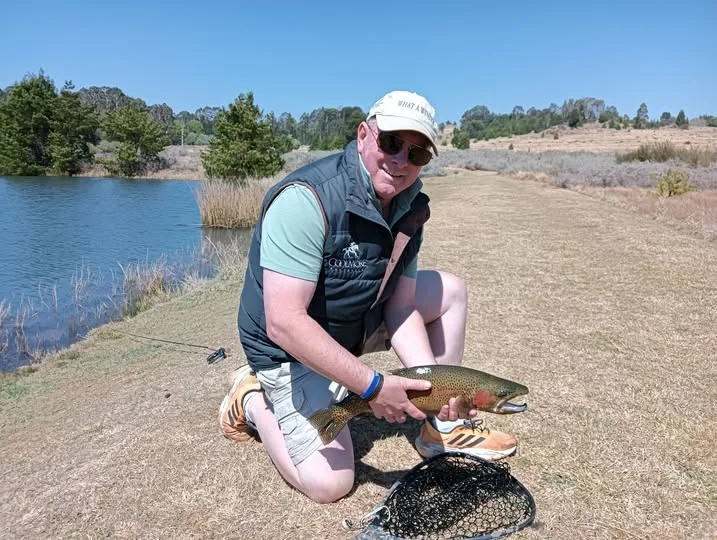
Photo of the month
Quality trout from the latest Laverpa sessions.
Latest catch note
Spring window rainbow
A quality Laverpa rainbow from the current spring window — exactly why now is the time to book while water temperatures are still sitting around 14–15°C.
“A day spent fly fishing with Shayne is a day well spent!
Shayne provides not only a professional guiding experience, but also freely shares tips and tricks from his many years of experience, which really help in learning more about the complex art of fly fishing. For a great day’s fishing in Dullstroom, you could not ask for more than to fish with Shayne.”
— Adrian Todd
Shayne’s guide note
What I would focus on right now.
The water temperature is in a good place at 14–15°C, so I would not wait too long to book. The fishing has been good in the right windows, especially when pressure starts dropping ahead of rain and the light gets softer.
I would start by watching the top and upper water column. If there is light drizzle, cloud cover and minimal wind, look for small dimples and subtle surface movement. A dry-and-dropper with a small midge or nymph 2–3 feet down is a strong first plan. If fish are not showing, I would work Woolly Buggers or small leeches along weed edges before the light gets too high.
Right now, the guide work is about timing the pressure window — being ready before the weather turns, not arriving after the bite has already happened.
Should you book now?
Yes — fishing is good, and clients should book before the water warms too much.
This is one of those spring windows where waiting too long can cost you the better fishing. Laverpa water temperature is currently around 14–15°C, fishing has been generally good during the right pressure windows, and the weather is creating proper reasons to be on the water. As spring moves on and water temperatures climb, trout can become deeper, more selective and harder to target during the warmer parts of the day. Please check the booking calendar first because it shows already booked days, then WhatsApp Shayne with your preferred date before making payment.
Useful links
Plan your Dullstroom fishing day.
Knowledge Centre
Use the full Dullstroom planning hub to compare venues, seasons, flies, reports and guided trip options.
Dullstroom FAQ
Get short answers about Dullstroom, Laverpa, flies, weather, gear, lessons and booking.
Check available dates
Use the booking calendar to see already booked days before messaging Shayne.
Laverpa guiding rates
See private full-day Dullstroom guiding rates and what is included.
Best dry flies for Dullstroom
Match the current report with practical fly choices for Dullstroom trout.
Dullstroom fishing seasons
Understand how the month, temperature and season affect trout behaviour.
More planning help
Use the report with the right guide page.
The fishing report gives the current conditions picture. For the full trip plan, pair it with the Knowledge Centre, FAQ hub, Laverpa guide and fly-selection pages so your date, venue and tactics all line up before you travel.
Knowledge Centre
Start here for the full Dullstroom fly fishing site map and topic guide.
Dullstroom FAQ
Short answers to the questions anglers ask before booking or travelling.
Laverpa guide
Understand the main guided water, current approach and Laverpa-specific planning.
Best dry flies
Match the current report to small dries, midge droppers, leaders and presentation.
FAQs
Dullstroom trout fishing report FAQs.
Yes. Dullstroom is fishing well in the right windows. Water temperature at Laverpa is around 14–15°C, and falling pressure, cloud cover, drizzle and low light can create good feeding opportunities.
The latest report points toward dry-and-dropper rigs with small midges or nymphs 2–3 feet down, plus Woolly Buggers and small leeches along weed edges when fish are not rising. Small dries and CDC emergers remain useful when fish show high.
Yes. September and spring are worthwhile at Laverpa right now, especially while the water temperature is still around 14–15°C. The fishing has been good in the right windows, but anglers should book before water temperatures climb too high.
A guide helps when pressure, light and water temperature are changing. Shayne helps choose the right bank, fly depth, leader and timing so you can make the most of the feeding window.
Good / Window means the fishing is positive, but timing still matters. The best action is likely during falling pressure, cloud cover, drizzle, low light and manageable wind rather than every hour of the day.
Yes, and now is the time to book. Water temperature is still in a good trout range at 14–15°C, but as it climbs too high, trout can become deeper and more selective.
Clear water makes trout more cautious. Move quietly, avoid unnecessary false casting, lengthen the leader and make the first presentation count.
Start longer and finer than you would in easier conditions. A long leader with 5X or 6X tippet is often a better starting point for small dries, midge droppers and clear stillwater trout.
Dry flies can still work, but the best approach is usually small and subtle. Start with small single dries, CDC emergers, Shuttlecock-style emergers or a dry-dropper with a small midge below.
Beginners can absolutely book during early spring. Private guiding keeps the pace calm and helps with casting, leaders, fly choice, reading the water and understanding when to change tactics.
The report is updated when there is meaningful new condition information, recent guiding feedback, venue news or a useful seasonal outlook. The date stamp on the page shows when the current report was last verified.
Yes, but pair it with the Where to Fish and Laverpa guide pages. The report gives the current conditions picture; the venue pages help you choose where those conditions are most likely to suit your trip.
Send your preferred date, backup date if you have one, number of anglers, experience level, whether you have gear and whether you are already staying in Dullstroom. That makes it easier to judge conditions and availability properly.